


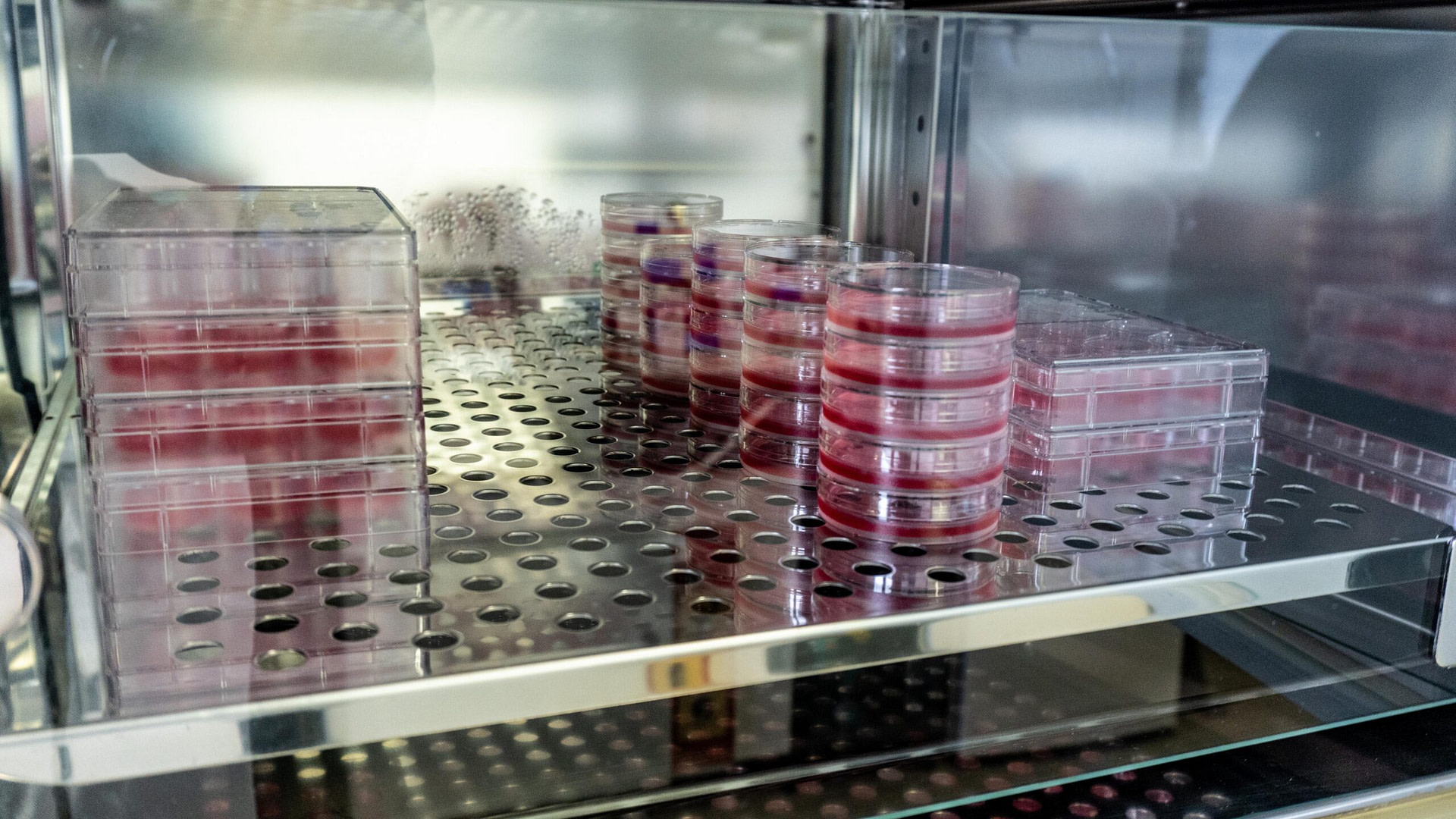

Sample storage disaster recovery. The definitive guide for stability and biological samples
Your sample storage system fails at 2am. What happens next?
A compressor trips overnight. An alarm triggers, but no-one responds. By morning, irreplaceable biological samples are already out of specification. This is how most sample storage disasters begin – by missed alarms and delayed reaction, not a catastrophic event.
For organizations storing stability samples or clinical research collections, the consequences can be significant. Samples may support ongoing studies, regulatory submissions or future manufacturing activities. Some materials cannot be replaced, while others may take months or years to regenerate.
Sample storage disaster recovery provides the framework for responding to these situations before sample integrity is compromised.
In this guide, you will learn:
- What sample storage disaster recovery is and how it differs from business continuity planning
- Why sample storage disaster recovery has become a strategic priority
- The most common causes of sample storage failures
- Why disaster recovery plans often fail
- How quickly samples can be transferred to emergency storage
- The regulatory expectations relating to sample storage disaster recovery
- The key elements of an effective disaster recovery plan
- How specialist providers can support contingency planning and emergency response
What Is sample storage disaster recovery?
Sample storage disaster recovery is the structured process for protecting, stabilizing and, where necessary, relocating stability samples, biological samples, pharmaceutical and research material when storage conditions are compromised. It covers the assessment of affected material, alternative storage arrangements and the controls required to maintain sample integrity throughout recovery activities. This may be within industries such as biopharmaceutical, medical devices, cosmetics, food and beverage, consumer products or packaging.
“Most sample losses begin with a delayed decision, not a catastrophic event.”
What is the difference between sample storage disaster recovery and business continuity?
Business continuity focuses on keeping an organization operating during and after a disruption, while sample storage disaster recovery focuses on protecting the samples themselves. Where samples represent a critical business, research or regulatory asset, disaster recovery should form part of the organization’s wider business continuity planning and risk management framework
For organizations storing biological materials, maintaining sample integrity is just as important, if not more important, as maintaining operations. This means having plans in place to preserve controlled temperatures, maintain chain of custody, and ensure materials can be transferred to validated backup storage if needed.
For example, if an ultra-low temperature (ULT) freezer fails, a business continuity plan may help minimize disruption to laboratory activities, while a sample storage disaster recovery plan ensures samples are rapidly moved to validated alternative storage, preserving their integrity and compliance status.
Why sample storage disaster recovery is a strategic priority
The risk profile associated with sample storage has changed. Organizations are increasingly responsible for smaller volumes of material that carry disproportionate value. Patient-specific cell and gene therapies, clinical trial material linked to regulatory submissions, and long-term stability samples cannot simply be reordered or regenerated if lost.
“Some samples cannot be reordered, regenerated or recollected. Recovery planning must reflect that reality.”
Many organizations now manage increasingly complex storage programs that span multiple sites, contract research organizations (CROs) and specialist storage providers. Oversight can become more challenging as sample volumes grow, studies become longer and regulatory requirements evolve.
Storage failures are no longer viewed solely as operational events. They may trigger investigations, affect stability programs, delay regulatory submissions or disrupt manufacturing schedules. The impact can extend well beyond the storage environment itself.
Disaster recovery planning increasingly sits alongside quality management and business continuity planning as part of a more comprehensive approach to risk management.
While often discussed in the context of lab disaster recovery, the same principles apply to stability storage, biorepositories, manufacturing support activities and clinical research programs.
What causes sample storage failures?
Although disasters such as flooding and fire can affect storage facilities, equipment failures and power interruptions are more common causes of storage incidents. Ultra-low temperature freezers may run continuously for years. Over time, compressors fail, sensors drift and refrigeration systems require maintenance. Stability chambers and cryogenic systems are no different.
Power interruptions are another common cause of sample storage failures. Backup generators reduce risk, but they still need to be maintained and tested.
Environmental conditions can also contribute. Water ingress, HVAC failures and prolonged periods of high ambient temperatures can all affect storage areas.
Cryogenic storage introduces additional considerations. Interruptions to liquid nitrogen supply, vessel failures and monitoring issues can affect storage conditions if they are not identified quickly.
A sample storage disaster that exposed gaps in recovery planning
In one case study example, a clinical research organization experienced an ultra-low temperature freezer failure late on a Friday evening. Monitoring systems detected rising temperatures and generated an alert, but the notification was sent to a single contact and was not acknowledged.
By the following morning, critical samples had exceeded validated excursion limits.
The organization had additional freezer capacity available on site, but there was no documented trigger for relocation and no clear decision-maker responsible for authorising a transfer.
The subsequent investigation identified wider issues. No contingency storage provider had been qualified. No transport arrangements were in place. There was no agreed process for moving material off site if storage conditions deteriorated.
“The freezer failure was not the root cause. The absence of a recovery plan was.”
Why sample storage recovery plans often fail
Most organizations have procedures for responding to equipment failures and temperature excursions. The challenge is whether those procedures can be implemented quickly when storage conditions are compromised.
Teams may be uncertain about who has authority to approve a transfer. Alternative storage capacity may not have been identified in advance. Transport arrangements may need to be organized during the incident itself.
These issues are rarely visible during normal operations. They become apparent when organizations are working against time to protect affected material.
This is why disaster recovery depends on more than storage infrastructure. It also requires preparation, defined responsibilities and access to resources that may only be needed during exceptional circumstances.
Expert insight: Organizations often focus on storage equipment when developing disaster recovery plans. In practice, delays are more commonly caused by unclear decision-making, unavailable transport or a lack of qualified contingency capacity.
Critical questions to assess your disaster recovery plans
- Do you know which samples would be prioritized if storage conditions were compromised?
- Is there a clear decision-maker authorised to initiate a transfer?
- Have alternative storage locations been identified and assessed?
- Can temperature-controlled transport be arranged immediately?
- Has the recovery plan been tested within the last 12 months?
Organizations are often surprised by how many of these questions cannot be answered confidently until after a storage incident occurs.
Warning signs your disaster recovery plan may need review
Recovery plans are often written in response to an audit finding, customer requirement or previous incident. Over time, storage infrastructure, sample inventories and organizational responsibilities change.
Your arrangements may need review if:
- Storage capacity has expanded significantly since the plan was written.
- Key personnel have changed roles.
- Samples are now stored across multiple locations.
- Alternative storage providers have not been reviewed recently.
- Transport arrangements have never been tested.
- Recovery exercises have not been carried out within the last 12 months.
These issues do not necessarily indicate a weakness in the plan itself, but they may affect how effectively it can be implemented during an incident.
“Recovery speed is determined before an incident occurs.”
How quickly can samples be transferred to emergency storage?
Response times depend largely on preparation.
Where contingency arrangements are already in place, recovery activities can often begin within hours. Storage capacity has already been identified, transport requirements are understood and receiving facilities are prepared to accept material.
Without prior arrangements, organizations may need to identify a provider, confirm capacity, review quality requirements and arrange transport before samples can be moved. For temperature-sensitive materials, those delays can significantly reduce the options available for recovery.
Recovery planning is not solely about storage capacity. Transport arrangements, receiving procedures and communication pathways all influence response times. Organizations that have identified alternative storage locations and agreed transfer procedures before an incident occurs are generally able to act more quickly than those making decisions during an emergency.
Mini case study:
A global contract research organization (CRO) had established a disaster recovery plan with Astoriom that included dedicated contingency storage capacity. When a 5°C stability room failure placed tens of thousands of samples at risk, Astoriom coordinated temperature-controlled collection and rapid transfer into compliant storage. A dedicated technician supported documentation, traceability and continuation of the study protocol, enabling all samples to be recovered and the clinical trial to continue without interruption.
Following the incident, Astoriom worked with the CRO to review its business continuity and disaster recovery plans, identify areas for improvement and implement the agreed recommendations. An ongoing disaster recovery agreement now provides priority response and dedicated contingency storage capacity, helping the organization strengthen its resilience and meet current Good Manufacturing Practice (GMP) expectations.
Does disaster recovery always require samples to be moved off-site?
Not necessarily. While many sample storage disaster recovery plans involve transferring samples to an alternative storage facility, this is not always the most appropriate response. In some situations, temporary, validated replacement storage equipment can be delivered directly to the affected site, allowing samples to be transferred locally while maintaining controlled storage conditions.
This approach can reduce transport requirements, minimize disruption and provide additional time for organizations to assess longer-term recovery options. As with off-site contingency storage, replacement equipment should be qualified, supported by appropriate documentation and integrated into the organization’s recovery procedures.
The most appropriate recovery strategy depends on factors such as sample type, storage conditions, available infrastructure, regulatory requirements and the nature of the incident.
What are the regulatory expectations for sample storage disaster recovery?
There is no single regulation dedicated exclusively to sample storage disaster recovery. However, expectations relating to storage conditions, quality systems and risk management are well established across pharmaceutical and life sciences sectors.
Although regulations do not generally require a dedicated disaster recovery plan, organizations are expected to manage risks that could affect product quality, study integrity or regulatory compliance. Inspectors may expect organizations to demonstrate how they would respond if storage conditions were compromised.
Requirements relating to storage conditions, quality systems, risk management, documentation and data integrity are established across frameworks such as FDA, current Good Manufacturing Practice (cGMP) regulations, ICH guidance and other applicable quality standards. During inspections and audits, organizations may be expected to demonstrate how they would respond if storage conditions were compromised, how affected samples would be assessed and protected, and how decisions and actions would be documented.
While these frameworks do not typically prescribe a specific disaster recovery model, they reinforce the expectation that organizations understand the risks associated with sample storage and have appropriate controls in place to maintain sample integrity, traceability and compliance throughout a recovery event.
How do I create a disaster recovery plan?
A sample storage disaster recovery plan should begin with a clear understanding of what is being stored, how critical the material is, what storage conditions are required and how long samples can remain outside approved conditions before quality may be affected.
The plan should define escalation routes, decision-making authority, communication responsibilities, alternative storage options and temperature-controlled transport arrangements. It should also consider sample type, storage temperature, regulatory requirements, chain of custody, receiving procedures and documentation expectations.
Organizations should test the plan periodically through exercises or recovery drills, so gaps in responsibilities, transfer processes or contingency arrangements can be identified before an incident occurs.
The role of specialist sample storage disaster recovery partners
Maintaining contingency storage capacity across multiple temperature ranges is not always practical for organizations whose primary focus is research, development or manufacturing. Storage infrastructure, monitoring systems and quality processes require ongoing investment, even if they are used infrequently.
Many organizations therefore combine internal storage capability with external contingency arrangements. A specialist sample storage disaster recovery partner can help review existing plans, identify potential gaps, support implementation and provide access to recovery resources when needed.
Depending on the nature of the incident, recovery solutions may include temporary replacement storage equipment, temperature-controlled transport or access to alternative storage facilities, supported by appropriate documentation and quality controls.
The most effective arrangements are usually established before an incident occurs, allowing organizations (and the disaster recovery partner) to respond more quickly when storage conditions are compromised.
Is your sample storage disaster recovery plan ready?
Many organizations only discover weaknesses in their recovery arrangements when storage conditions have already been compromised.
Astoriom supports pharmaceutical, biotechnology and research organizations with contingency storage, disaster recovery planning and business continuity support across ambient, refrigerated, frozen, ultra-low temperature and cryogenic environments. Astoriom can help review contingency arrangements, identify potential gaps and implement practical recovery plans before they are needed.
Drawing on decades of experience within the life science industry, Astoriom can support organizations through a range of storage incidents, from freezer failures to large-scale stability storage disruptions.
Speak to our team about contingency storage, disaster recovery planning and business continuity arrangements before storage conditions are compromised.
FAQs
What is sample storage disaster recovery?
Sample storage disaster recovery is the planned process for protecting, stabilizing and, where necessary, relocating biological, pharmaceutical, stability and research samples when storage conditions are compromised.
It covers the actions required to assess affected material, maintain appropriate storage conditions, arrange alternative storage, manage temperature-controlled transport and document decisions throughout the recovery process. It is especially important for stability samples, clinical trial materials, biological collections, advanced therapy products and manufacturing samples, where loss may delay studies, affect regulatory submissions or disrupt development programs.
Why do stability and biological samples require special protection?
The impact of sample loss varies considerably depending on the material being stored.
For stability programs, samples may support shelf-life studies, regulatory submissions and ongoing quality programs. Losing those samples can delay studies, create additional work and affect development timelines.
Biological samples present different challenges. In research sample disaster recovery, organizations may be dealing with materials that are unique, linked to completed clinical studies or difficult to replace. Research collections, clinical trial materials, advanced therapy products and manufacturing samples often represent work that cannot simply be repeated. A patient sample, a unique cell line or material collected during a completed clinical study may not be available again.
As pharmaceutical and biotechnology organizations work with increasingly specialised materials, the impact of storage failures extends beyond the loss of individual samples. Studies may be delayed, regulatory submissions may require additional investigation and manufacturing activities can be disrupted. In some cases, years of research and development investment may be affected by the loss of a relatively small number of samples.
What causes laboratory storage disasters?
Laboratory storage disasters are often caused by equipment failures, power interruptions, liquid nitrogen supply issues, flooding, water ingress, HVAC failures or problems with monitoring and alarm systems.
In many cases, sample loss occurs when several issues happen together. For example, a freezer may fail, an alarm may not be acknowledged quickly enough and no pre-qualified contingency storage may be available. Delayed response, unclear decision authority and untested transfer procedures can all increase the impact of an otherwise manageable storage incident.
How quickly can samples be transferred?
Transfer times depend on the type of material being stored, the storage conditions required, the availability of suitable transport and whether contingency arrangements have already been agreed.
Where contingency storage and temperature-controlled transport arrangements are in place, recovery activity can often begin within hours of an incident being identified. Without prior arrangements, organizations may need additional time to identify suitable capacity, confirm quality requirements, agree responsibilities and organise transport.
In some situations, recovery may not require samples to be moved off site. Temporary validated replacement storage equipment can sometimes be delivered directly to the affected facility, allowing samples to be transferred into compliant storage conditions while longer-term recovery arrangements are assessed.
For highly temperature-sensitive samples, this difference can have a significant impact on whether recovery remains possible.
What is the difference between contingency storage and disaster recovery?
Contingency storage is alternative storage capacity that can be used if primary storage conditions are compromised.
Disaster recovery is the wider response process. It includes assessing affected material, deciding whether relocation is required, arranging transport, transferring samples under controlled conditions, documenting decisions and maintaining chain of custody.
Contingency storage is often one component of a disaster recovery strategy, but storage capacity alone is not enough. A complete recovery approach also requires clear procedures, defined responsibilities, suitable transport and appropriate quality documentation.
How does Astoriom support organizations?
Astoriom supports organizations across the pharmaceutical, biotechnology, medical device, research, cosmetics, food and beverage, consumer products and packaging sectors with contingency storage, temperature-controlled transport and disaster recovery services for stability samples, biological materials, clinical research collections and other temperature-sensitive materials.
Astoriom provides storage across ambient, refrigerated, frozen, ultra-low temperature and cryogenic conditions, supported by established quality systems, monitoring and geographically distributed facilities.
By combining specialist storage infrastructure, transport capability and sample management experience, Astoriom helps organizations protect sample integrity, maintain documentation and reduce disruption to research, development and manufacturing programs.


