In late 2023, a major European research institute suffered a catastrophic failure in its cryogenic storage infrastructure. Sixteen liquid nitrogen tanks were left without replenishment, allowing internal temperatures to rise. Decades of biological material — including tumor biopsies, cell lines, and engineered models — were irreversibly destroyed. More than 47,000 samples were lost, with an estimated value of hundreds of millions of euros. Investigations later revealed the problem was not a single technical fault but a chain of oversights: unclear maintenance responsibilities, misrouted alarms, and missed opportunities to intervene.
For teams working in cell and gene therapies, biologics, and oncology, this incident was a sobering reminder of what is at stake. Stem cells, viral vectors, engineered tissues, and patient-derived samples are irreplaceable assets. Their preservation is not an operational detail but the foundation of reproducibility, regulatory compliance, and clinical progress. A single lapse in cryogenic storage can erase years of research and jeopardize programs worth millions.
Why advanced therapy and biologics samples demand specialized preservation
The freezer failure highlighted a truth well known to scientists: once lost, biological material cannot be recreated. Unlike small molecules, which can often be reformulated, biological samples exist in finite and fragile supply. A tumor biopsy, a vial of CAR-T cells, or a viral vector batch may only ever be produced once.
The consequences extend well beyond the sample itself. One specimen can underpin numerous applications — potency assays, characterization studies, genomic profiling, and regulatory submissions. In oncology, a single biopsy can support dozens of investigations. When thousands of such samples are destroyed, the impact is not just financial but scientific, cutting off avenues of research permanently. For advanced therapies and biologics, the same applies: whether stem cells, gene-edited lines, or recombinant proteins, irreplaceability demands exceptional care.
Positive actions teams can take:
- Map the criticality of each sample type and establish preservation standards tailored to its intended use.
- Build redundancy into collection where feasible, such as splitting patient samples across multiple sites.
How cryogenic LN₂ storage preserves integrity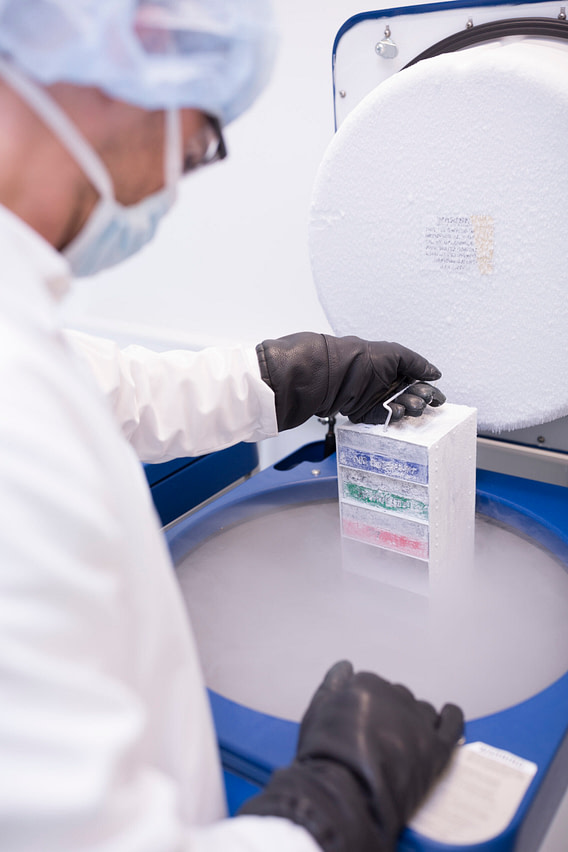
Liquid nitrogen (LN₂) vapor-phase storage at –196 °C remains the most reliable method for preserving high-value biological materials. Below –150 °C, metabolic and enzymatic activity ceases, enabling decades-long archiving without molecular drift and ensuring reproducible outcomes when samples are retrieved.
Yet the European incident shows that technology alone is insufficient. The LN₂ systems themselves were not inherently defective; rather, the failure arose from a breakdown in monitoring and oversight. The lesson is clear: while the science of cryopreservation is proven, the system surrounding it must be resilient and meticulously maintained. Oncology biobanks, stem cell repositories, and CAR-T facilities all rely on this combination of technical capability and operational vigilance.
Positive actions research teams should take:
- Regularly audit LN₂ levels and monitoring systems, with escalation protocols tested under simulation.
- Use real-time telemetry linked to multiple escalation channels to reduce the risk of missed alarms.
Meeting regulatory and compliance expectations
Regulatory agencies expect biorepositories to demonstrate validated cryogenic systems, operate under cGMP, and maintain full traceability. ICH Q1A(R2) and ATMP-specific stability requirements reinforce the need for robust documentation of every transfer, vessel, and access event.
The freezer failure underscored how gaps in compliance processes can magnify risk. Alarms were triggered, but warnings were routed incorrectly. Responsibility for intervention was unclear, and documentation was incomplete. From a regulatory perspective, such lapses represent not just operational weakness but loss of trust.
Positive actions teams can take:
- Embed clear lines of responsibility for monitoring and intervention.
- Conduct compliance “fire drills” to ensure procedures hold under pressure.
Building resilience through disaster recovery
Risks to biorepositories range from LN₂ supply interruptions to equipment malfunction and extreme weather. In the European case, no natural disaster was to blame — just everyday oversights — yet the consequences were catastrophic. This demonstrates that disaster recovery cannot remain theoretical.
Resilient facilities safeguard by building in redundancy. For example, duplicate tanks with spare capacity, dual-sourced LN₂ deliveries, independent monitoring systems on backup power, and validated relocation protocols. For oncology biobanks storing tens of thousands of samples, or cell therapy developers banking autologous products that represent a patient’s only therapeutic option, these safeguards are not optional.
The benefits of working with a biorepository partner are clear. Specialist providers, such as Astoriom, will maintain multi-site networks, redundant supply contracts, and validated relocation protocols that individual research teams cannot easily replicate. Outsourcing storage to such partners provides peace of mind that continuity is protected, even under extreme conditions.
Ensuring chain-of-custody
Protecting material integrity also requires absolute certainty about sample identity and history. Chain-of-custody systems, often underpinned by barcoding, Radio Frequency Identification (RFID) tagging, and integrated digital inventories, ensure that every handover and movement is recorded.
In the freezer failure, scientists faced not only physical loss but the impossibility of reconstructing a complete record of what had been compromised. The lesson is twofold: material preservation and data fidelity are inseparable. Without both, samples lose their scientific and regulatory value.
Positive actions teams can take:
- Adopt digital inventory systems that integrate sample identity with associated data.
- Use dual verification protocols during sample handovers to reduce risk of misattribution.
What to look for in a biorepository partner
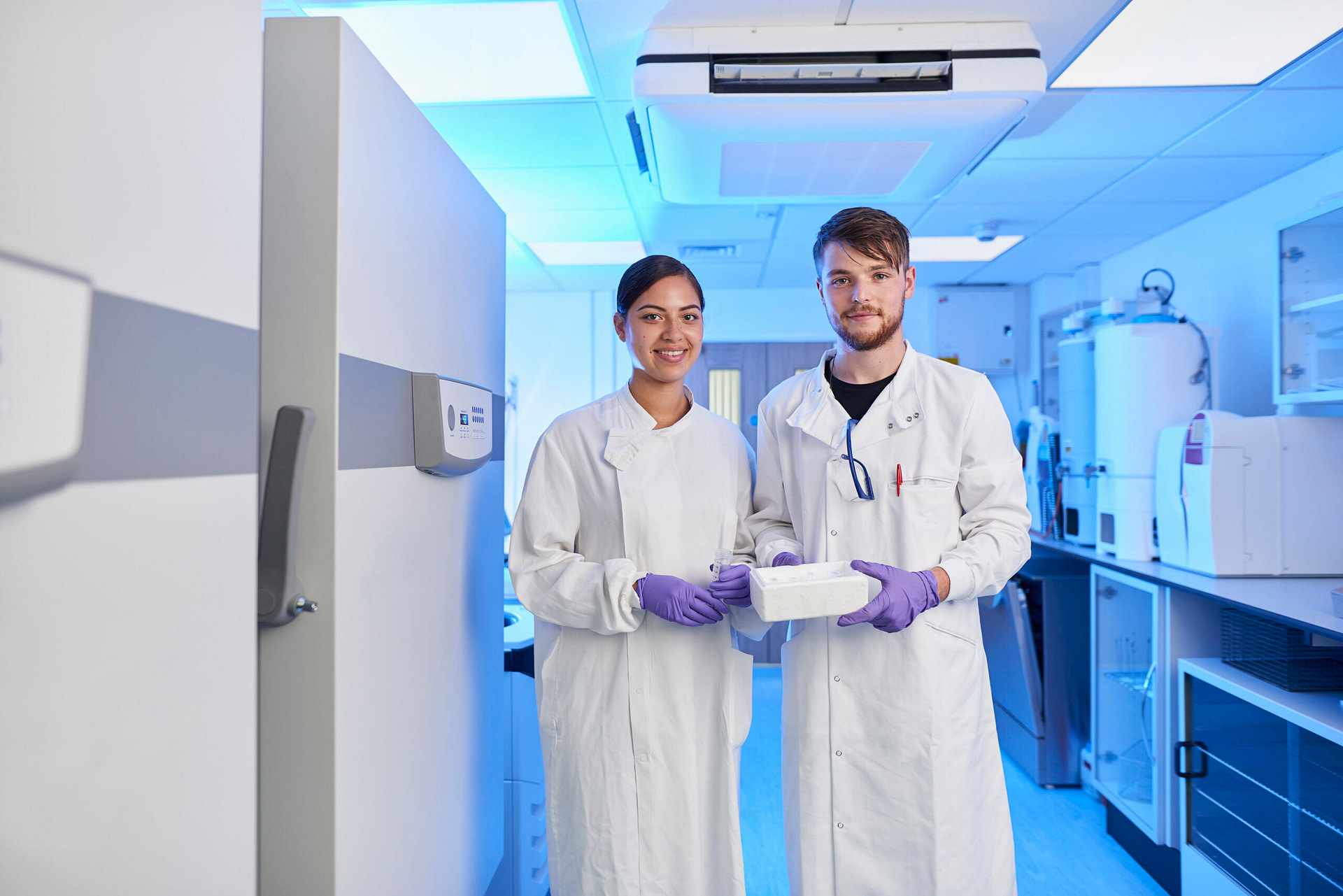
The right biorepository partner must demonstrate far more than capacity. Facilities need regulatory compliant and validated LN₂ storage, harmonized global standards, and resilience against disruption. Increasingly, integration with analytical services adds further value, reducing handling and moving samples seamlessly from preservation to data generation.
The European failure illustrates why this matters. Standard equipment was in place, but responsibility and escalation processes were unclear. A credible partner must therefore show not only technical capability with established SOPs but a culture of vigilance and accountability that ensures biological material is safeguarded at every stage.
Benefits of using a biorepository partner with expertise in cryogenic storage:
- Access to dedicated cryogenic infrastructure with 24/7 monitoring and validated controls.
- Immediate compliance with global regulatory expectations.
- Scalable capacity and global reach that can support multi-site clinical trials.
- Integrated testing partnerships that allow “storage-to-analysis” workflows without compromising sample stability.
Toward a resilient future for advanced therapies
Cryogenic storage has become a strategic enabler of biomedical innovation. As cell and gene therapies expand, biologics pipelines diversify, and oncology research generates ever larger volumes of samples, the reliability of a biorepository storage infrastructure is inseparable from research success.
The freezer failure in Europe is a reminder that the greatest threat to advanced therapy programs may not come from the lab bench but from a silent thaw in a storage room. Organizations that invest in secure, compliant, and resilient biorepository partners with expertise in controlling sample integrity are not just protecting samples — they are safeguarding scientific progress, regulatory momentum, and, ultimately, patient outcomes.
Key takeaway:
Teams can mitigate risk by embedding robust monitoring, clear responsibilities, and disaster recovery into their own operations — but the greatest resilience comes from working with specialist biorepository partners who can provide global reach, regulatory confidence, and fully integrated storage-to-analysis capabilities.
About Astoriom
At Astoriom, we are the global quality expert in safeguarding R&D sample assets.
For over 30 years, our customers have trusted us to secure, protect and preserve their scientific and consumer R&D product samples. We offer a comprehensive portfolio of sample stability storage, biorepository storage, disaster protection & recovery, and sample storage equipment & validation services. Our global environmentally controlled storage solutions enable our customers to safeguard the integrity and viability of their valuable sample assets to advance their research innovation. As a global leader and trusted expert in sample stability and biorepository storage solutions, our team of specialists and engineers offer international regulatory compliant quality processes and custom designed sample storage protocols to the top R&D industries worldwide.